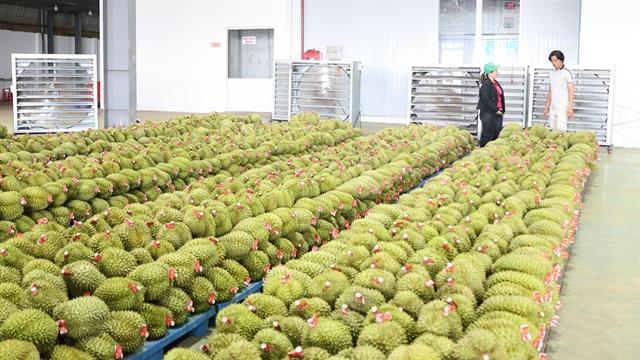
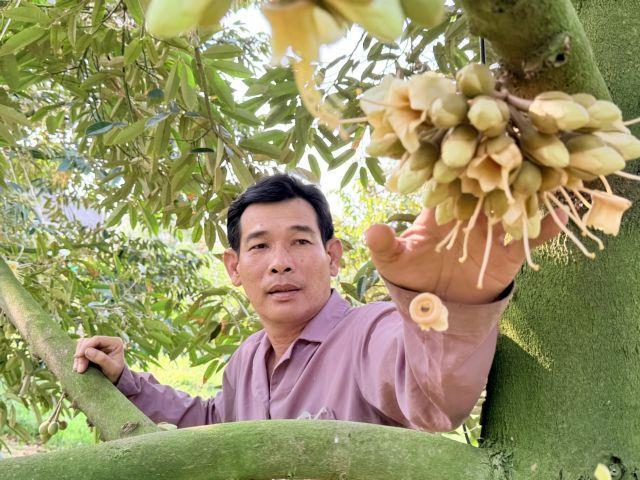
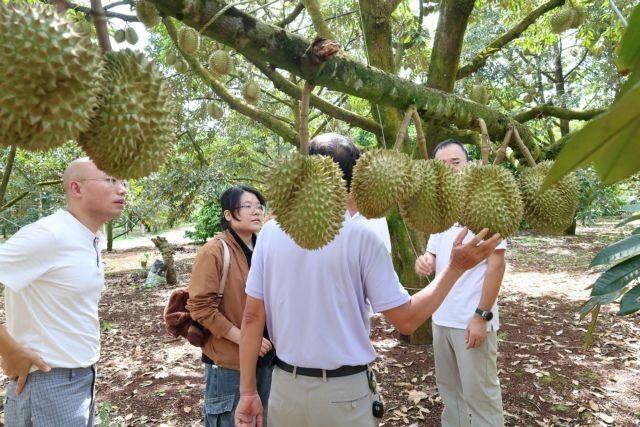
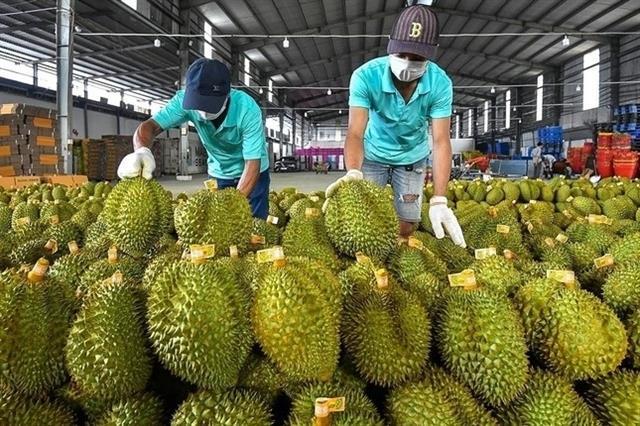
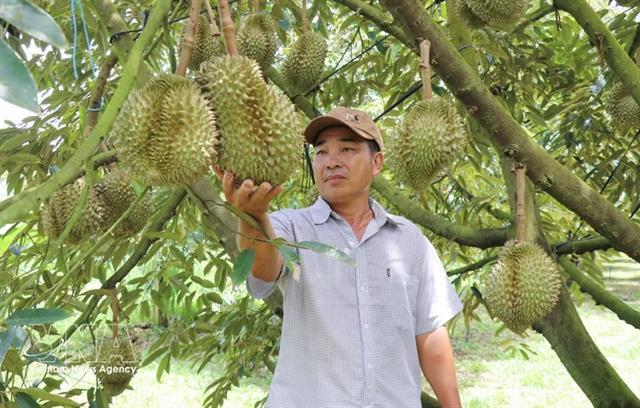
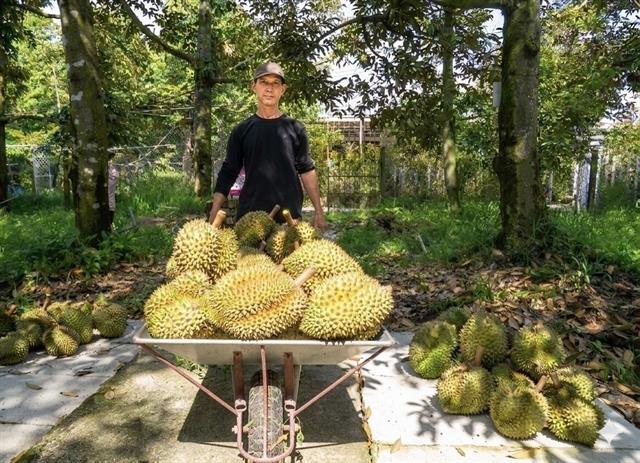
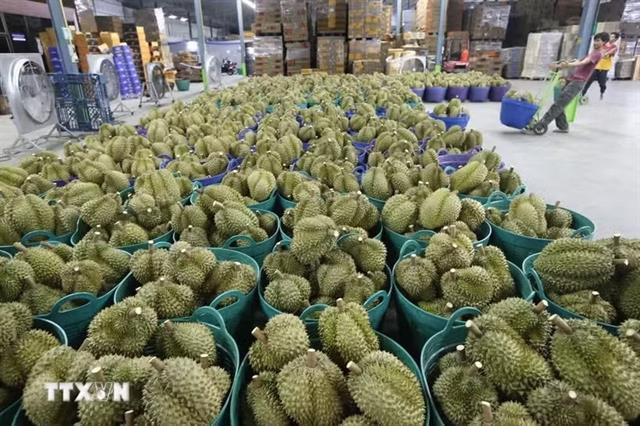
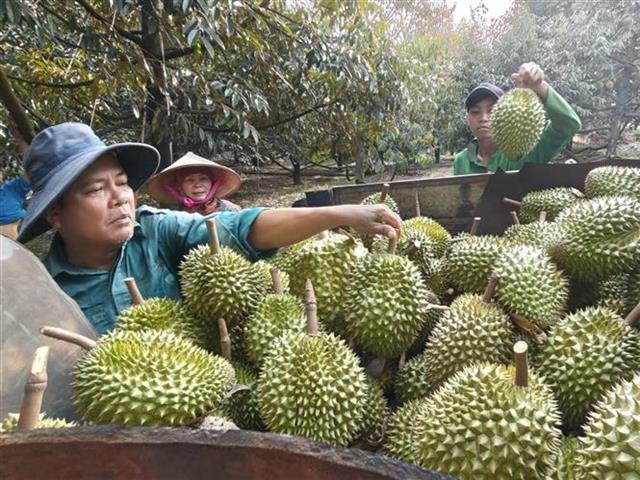
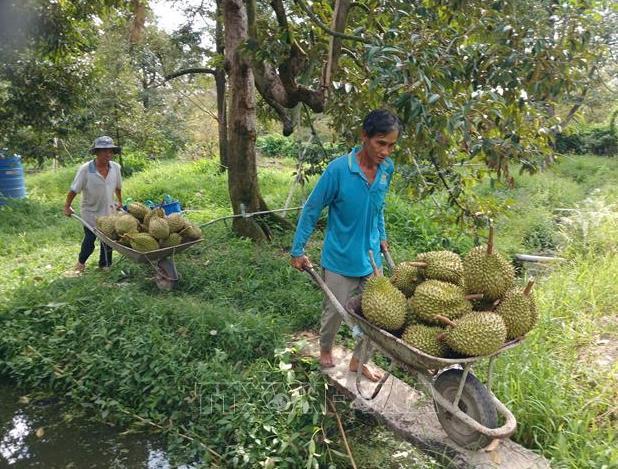
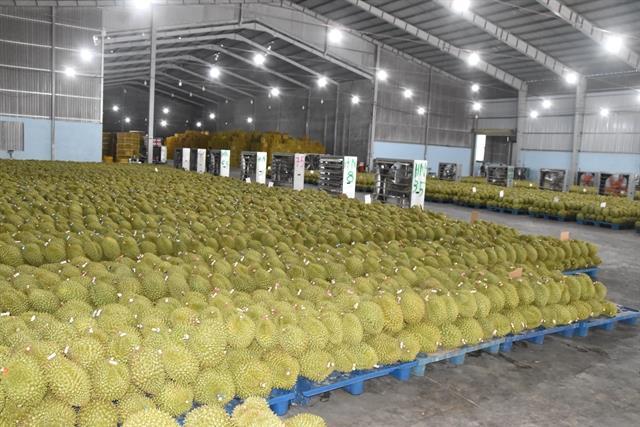
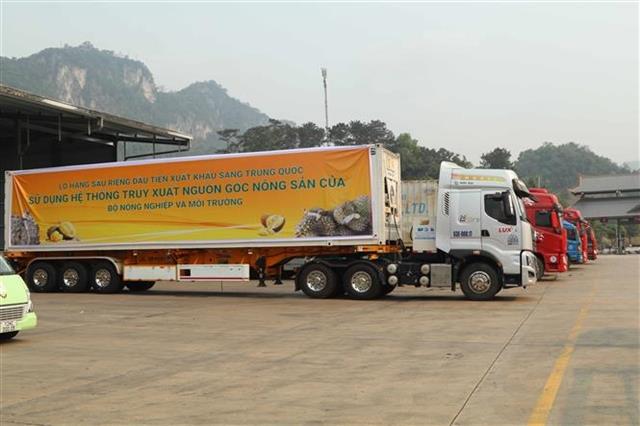
The rapid growth has made durian one of Việt Nam''s leading agricultural export products but has also exposed weaknesses in the management of growing areas, quality control, varieties, pest management and production organisation.
Cooperation should go beyond individual purchasing deals towards the development of a complete industry chain, with quality controlled at the source and more value retained by participants, particularly farmers.
China spent nearly US$988 million on Vietnamese durian in the first half of this year, up 43.4 per cent from a year earlier, accounting for almost half of the country''s fruit and vegetable exports to the market, customs data showed.
Durian exports reached nearly US$1.1 billion in the first six months of this year, up 32 per cent year-on-year. The industry''s strongest export season, however, is still ahead.
The Plant Production and Protection Department under the Ministry of Agriculture and Environment said the Indian government had approved the import of fresh durian from Việt Nam for domestic consumption.
If the Central Highlands harvest proceeds smoothly and issues related to growing-area and packing-house codes are resolved promptly, exports could generate an additional US$2 billion in the remaining months of the year, pushing the whole-year figure beyond $4 billion.
According to the Ministry of Agriculture and Environment, the facilities are authorised by China’s customs authority to test cadmium (Cd) and Auramine O in durian and jackfruit exports.
India is set to ease export requirements by removing special import conditions and extra phytosanitary declarations for fresh Vietnamese durian, allowing the product to enter the market more smoothly.
The Ministry of Agriculture and Environment has ordered urgent measures to address testing bottlenecks affecting durian exports, as stricter inspections for residues continue to disrupt shipments and pressure growers and exporters.
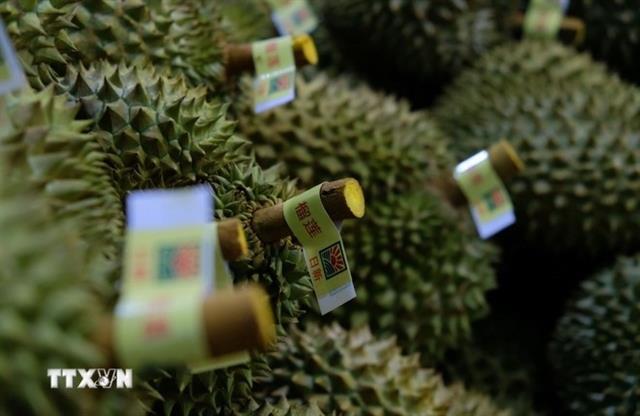
Under the “green lane” process, quality control starts at cultivation – including soil monitoring – and continues through harvesting and processing, with traceability labels applied from trees to fruit at picking.
Vietnamese durian is still experiencing strong growth despite facing technical barriers from China, thanks to improved quality and competitive pricing.
Việt Nam currently has 24 laboratories recognised by China’s General Administration of Customs (GACC) for durian testing, with a combined capacity of around 3,200 samples per day, sufficient to meet current demand.
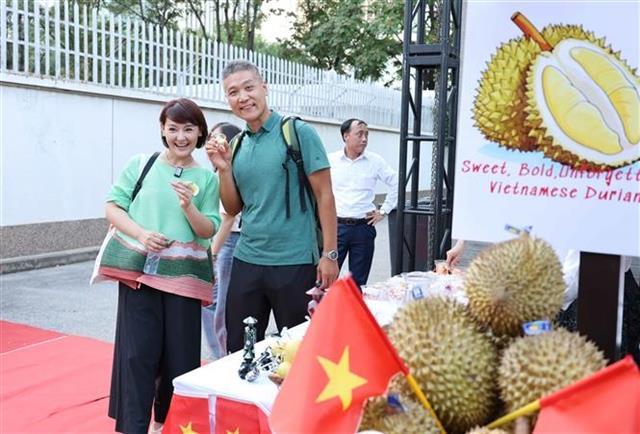
Việt Nam showcased durian and related products at the first-ever ASEAN–China Durian Festival held in Beijing on August 9 by the ASEAN–China Centre (ACC) and the embassies of ASEAN member states.